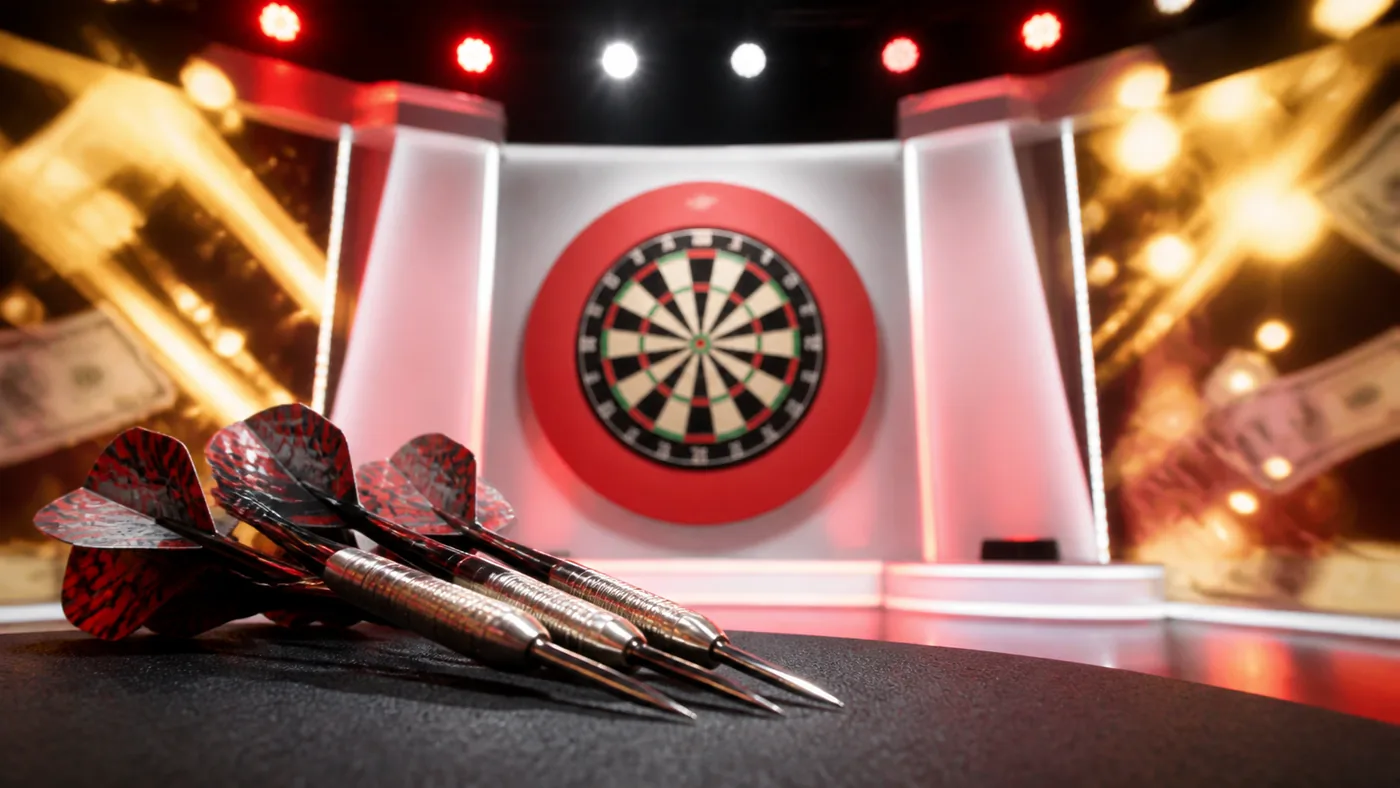
Luke Littler’s Netflix challenge has moved from concept to casting: auditions have started in the UK, with Phil Taylor, Laura Turner and Barry Hearn involved in assessing potential contenders. The premise is still simple, one leg of 501 against the world number one for a possible £501,000, but the story now feels more concrete. Netflix is no longer just selling a format. It is trying to find amateurs with enough ability, and enough nerve, to stand opposite Littler on 30 October.
According to Sky Sports, Taylor believes an amateur could land the perfect one-leg burst if the pressure breaks the right way. Casting continues after London, with a Manchester heat scheduled for 19 September, before the live Netflix show on 30 October with Gary Lineker hosting.
Phil Taylor sees the danger in a single leg
The line that gives the story fresh life comes from Taylor: over one leg, a strong amateur can have a window. That is not a prediction against Littler, more a reading of the format. Over a longer match, the gap to the champion usually shows. Over 501 points, with the right start, one heavy visit and a double taken under pressure, the scenario becomes less theoretical.
Taylor framed it as a possible outsider moment, while also making the obvious point: the amateur would need their best leg and Littler would need to leave the door open. That is exactly why the show works. It does not have to make the upset likely. It only has to make it feel possible for a few minutes.
The casting process already shows the real hurdle
The early casting stories also show how steep the route is. DartsNews reported the case of Dutch DJ Dylan Boet, who was invited to audition in England but pulled back because of travel costs and his own level. His logic says plenty: before dreaming about £501,000, a candidate has to pay for the trip, throw in front of a panel and accept that the first darts could end the whole thing.
That detail makes the format more interesting than a simple television gimmick. Viewers may eventually see twenty amateurs, but the funnel is already unforgiving. A contestant needs enough personality for the screen, enough quality not to be sent home immediately and enough composure not to crumble in front of Littler. That is still darts at its core: technique matters, but the double under pressure decides everything.
Lineker and Osman give the format extra weight
Gary Lineker is not a neutral choice. The former England striker remains one of the most recognisable sports broadcasters in Britain, and his presence takes the show beyond a niche darts curiosity. For Netflix, the route is obvious: sell a darts night that makes sense even to viewers who do not follow every stop on the PDC calendar.
Richard Osman brings a different edge. The Pointless creator is known as a genuine darts fan, and his role fits the format neatly: explain what pressure does, read the probabilities, and show why one missed visit can change everything. DartsNews reports that Osman even believes one of the contestants can win the jackpot. That is where the format gets interesting: over one leg, the distance between impossible and possible becomes much smaller.
| Element | Confirmed detail |
| Show | Beat Luke Littler |
| Platform | Netflix, live on 30 October 2026 |
| Host | Gary Lineker |
| Analysis | Richard Osman |
| Format | 20 amateurs, one leg each against Luke Littler |
| Prize | £501,000 if an amateur wins a leg |
| Qualifiers | Manchester and London in September |
Why the challenge can become genuinely awkward
Over a long match, the gap between Littler and an amateur, even a very good one, is likely to show quickly. Over a single leg, it is different. A strong start, two heavy visits and a clean checkout left on the board can suddenly make the scenario uncomfortable for the world champion. That is not a promise of an upset, but it is exactly why the format works.
Vincent van der Voort, quoted in DartsNews’ first report on the challenge, had already identified the real trap: the final double. There may well be non-Tour Card players capable of creating a match dart against Littler. The question is whether they can throw it when it is worth £501,000, live on air, against the most scrutinised player in the sport.
That is the image Netflix is chasing. Either Littler comes through all twenty legs without slipping, further strengthening his status as a phenomenon, or an amateur finds the perfect sequence, lands the double and gives the show the clip every broadcaster wants. Either way, the format says plenty about the Littler era: even away from a major, his name is now enough to build an event.
A busy window around 30 October
The announced date, 30 October 2026, falls in a packed part of the darts calendar. Late autumn is already important for PDC players, with floor events, qualification races and the build-up to the major end-of-season tournaments all in play. Littler’s exact participation in some of those late-October Players Championship events is not fully clear yet, but the Netflix show lands at a point where every appearance from the world number one will be watched closely.
That makes the story more than a TV booking. Littler will have to manage an unusual level of exposure, a repetitive format and twenty opponents with nothing to lose. For him, the risk is not only dropping a leg. It is seeing a promotional exercise turn into a viral moment against him.
Littler’s pulling power keeps growing
Since his rise began, Littler has changed audiences, conversations and the way darts is sold to the wider public. We have also tracked his lead in the 2026 PDC prize money race, one marker of a dominance that goes beyond trophies. This Netflix challenge adds another layer: Littler as a headline attraction in his own right.
The figure of £501,000 works because it speaks instantly to darts fans while remaining big enough to attract casual viewers. The Lineker-Osman pairing does the rest: a major British sports voice, a popular analyst and a champion who does not need a named opponent to create anticipation.
In short: this is not the purest sporting story of the week, but it says something important about Littler’s place in the game. Darts keeps moving into wider entertainment formats, and Netflix has now given that crossover a host, a date and a very simple promise: one leg against Littler can be worth half a million pounds.
Sources consulted: Sky Sports on Phil Taylor and the auditions, DartsNews on Dylan Boet’s audition decision, DartsNews on Lineker and Osman.